Our approach to education

We are often asked whether we follow a particular method. The answer is that we have developed our own, drawing on different approaches and bringing them into the real lives of our children and families. We do not want children to fit into a formula; we want what we do at the centre to make sense for them.

We believe childhood deserves both protection and support. Routines have a special place in our classrooms: the story that signals a quiet moment, the song that accompanies a change of activity, the little gestures that return each day. Recognising what comes next helps a child feel part of what is happening, anticipate it and dare to do more for themselves. That sense of security makes room to learn, communicate, move, solve problems and build relationships.

But family life with young children does not fit into a perfectly ordered timetable. Some families are finding their feet in a new role, some have just grown, and others are going through changes that may barely be visible from the outside. A child may need something different today from what they needed yesterday. So we hold on to routines without making them rigid: we listen, adapt and take account of what each family is experiencing beyond the classroom.
Educational Project

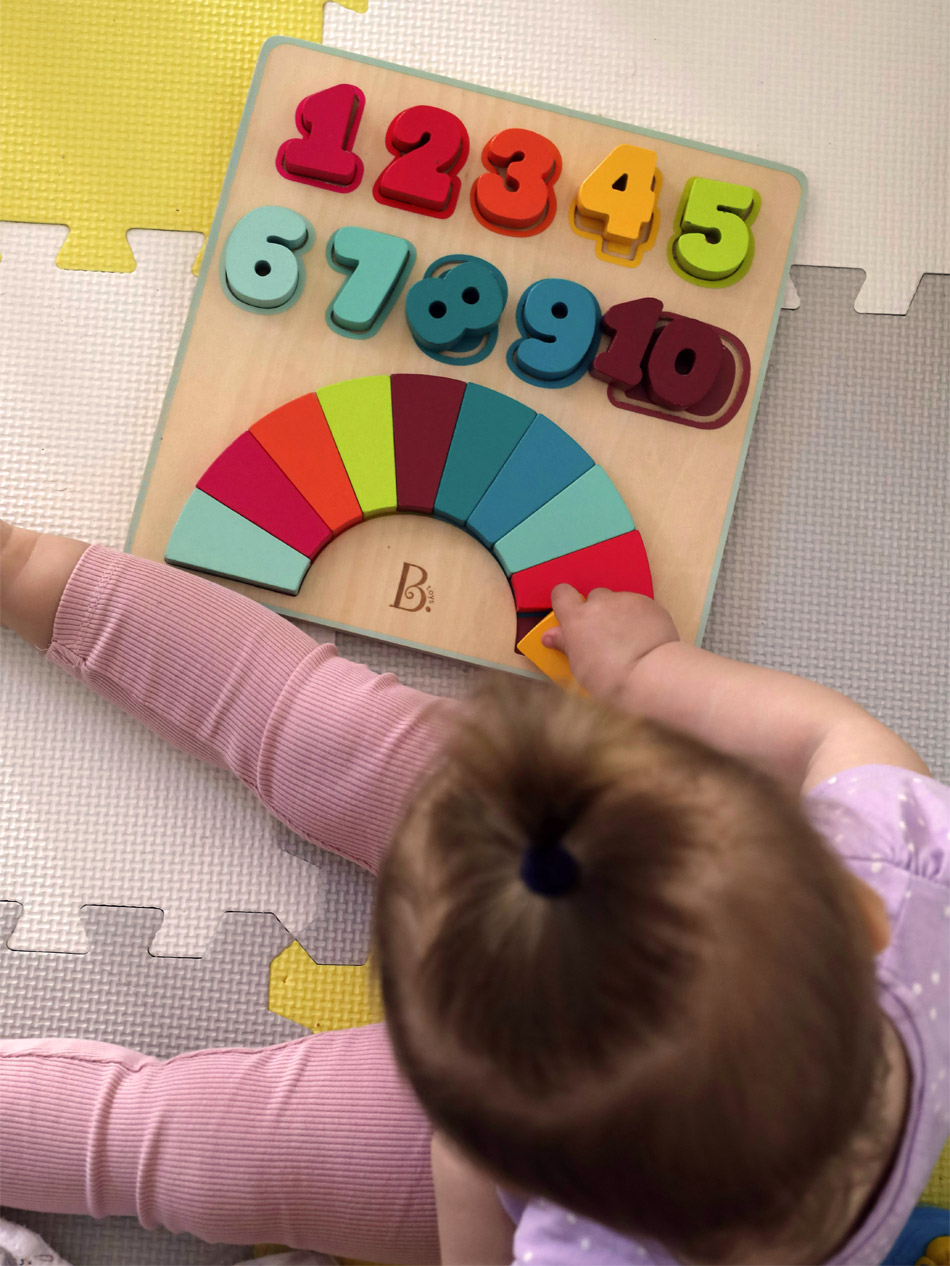
Stories, play and movement are part of how we learn. Above all, we want every child to feel loved and protected. Celebrating what makes us unique is not a decorative extra: it is how we begin building empathy and a way of living together from the earliest years.

Our psychoeducational team helps put this approach into practice every day, observing each child’s strengths and areas where they need support and turning that knowledge into tailored educational experiences.
Emotions are present in every discovery, every conflict and every new bond in the classroom. That is why SEL, our social, emotional and language development project, is central to PequEmociones. We want children gradually to recognise what they feel, find ways to express it and learn to navigate their emotions in their relationships with themselves and others. We approach this in ways suited to each age and to what each child can understand and practise.

Our teaching staff, psychoeducational team and management develop the project and weave it into everyday life at the centre. Experiences return as children grow: something a child begins to discover in their earliest years can be understood, expressed and experienced differently later on. This gives time and continuity to learning that cannot happen in a single activity.

SEL also begins with truly seeing each child. Their strengths, support needs, ways of communicating and ways of connecting with others help us create an environment where they can feel safe and belong. We do not ask children to hide what makes them different: we want them to find their place with it, and the group to learn to live together through those differences.

English plays a leading role at PequEmociones. For part of each day, children are immersed in English-speaking environments: they listen, play, sing, ask questions and take part in English through meaningful experiences, rather than simply learning isolated words. We embrace bilingualism from the early years to widen their opportunities to communicate and nurture their curiosity about the world. This approach sits naturally alongside the official languages of our community and is adapted to each child’s communication needs.

After training with Sofía Gracia of Habla Bebé, our whole team has brought bimodal communication into daily life at the centre. We use signs drawn from Spanish Sign Language (LSE) alongside speech, whichever spoken language we are using at the time.

This gives children another way to express needs, ideas and feelings; it supports communication and spoken language development and helps children who need additional communication support to take part. It also introduces all children to signed vocabulary from a language present in our community. It is one more way to open doors to communication and inclusion.

Using signs from LSE in a bimodal system does not mean that we teach LSE as a complete language with its own grammatical structure.

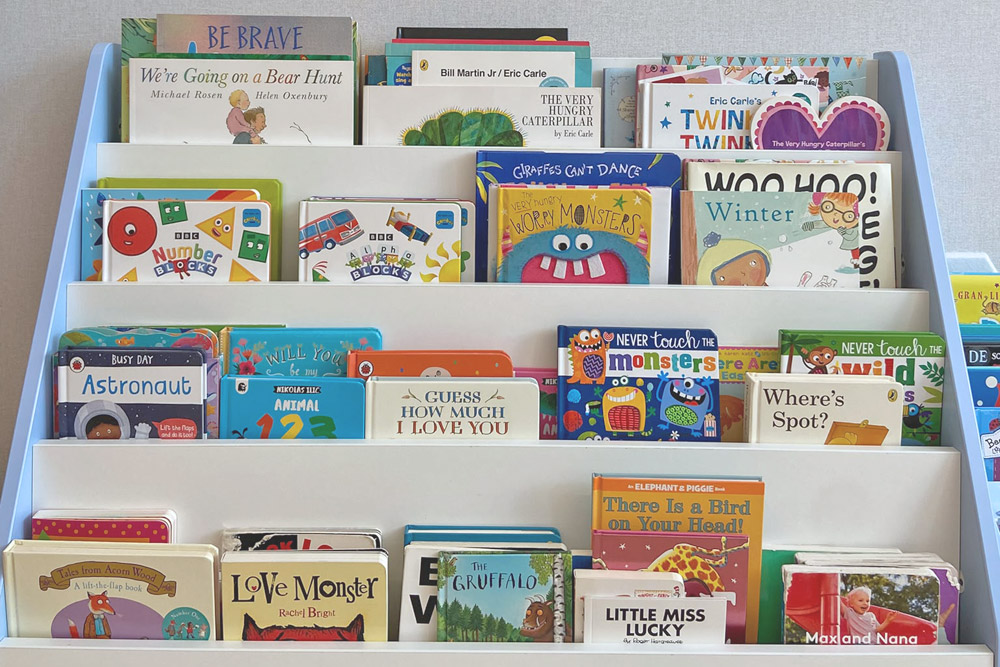
Stories have an important place at PequEmociones. Our themed classrooms draw inspiration from picture books by Spanish and international authors, many of them exploring emotions. Children’s literature helps us talk, play, discover other perspectives and find words for what we experience. All of that begins long before children learn to read.

Our publishing project grew from that conviction. We want to create stories that support different aspects of children’s education and emotional lives, for families to enjoy both inside and outside the centre. It is a way to share our view of education, and the care we put into it, with more families.

Our first picture book, “Masi y la lagartija mágica”, is in preparation. Once published, it will also be available outside the centre.

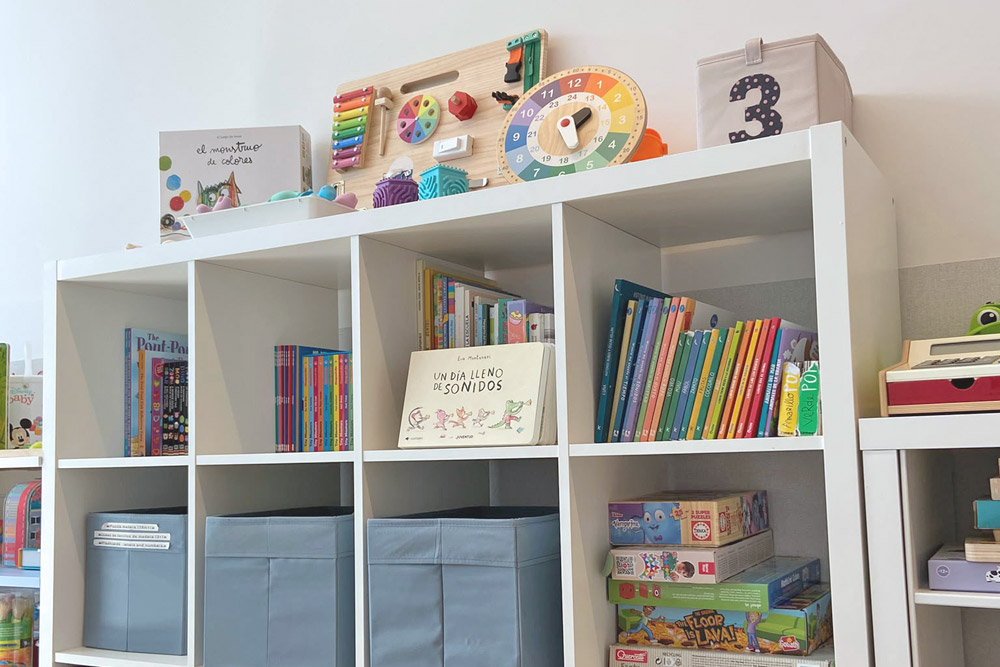
Classroom material
Stories
  • Tailored education: ongoing monitoring of every developmental area.

  • Differentiated learning: reinforcing strengths and supporting areas of difficulty.

  • Play-based learning: encouraging natural discovery through hands-on play.

  • Emotional and social development: helping children recognise and manage emotions, build empathy, and cooperate.

  • Psychopedagogical team: available throughout the school day.

  • English language immersion: supporting natural language acquisition.
  • Family collaboration: strong communication and mutual support to build a vibrant learning community.
Uniform

Uniformed little ones

Uniforms

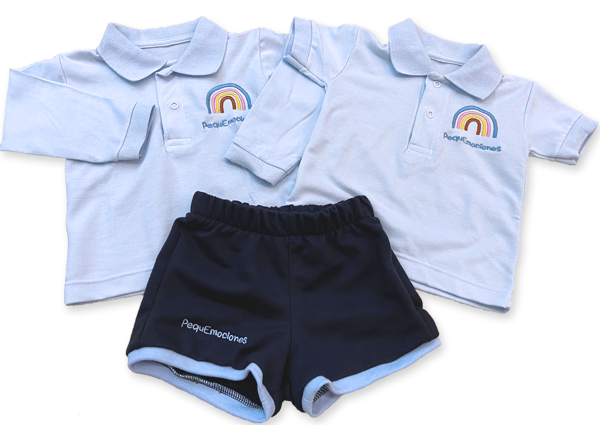
Our uniforms are sold at the school and manufactured by Mundo Mara.

Available items include: jacket, long trousers, shorts, short-sleeved polo shirt, long-sleeved polo shirt, and smock.

Bilingual
immersion

English immersion
without neglecting
Spanish.

Learning
through play

Sensory, hands-on
experiences.

Screen-free
classrooms

We believe in active,
human-led learning
environments.

Educational
philosophy

Emphasising emotional
growth and literacy
from the start.